Spain · Photo journal
Santiago de Compostela
31 photographs from the original collection.
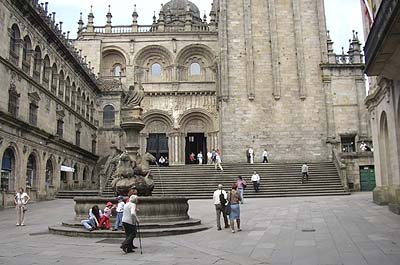
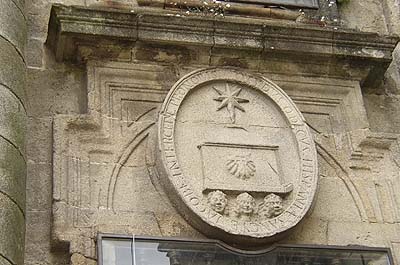
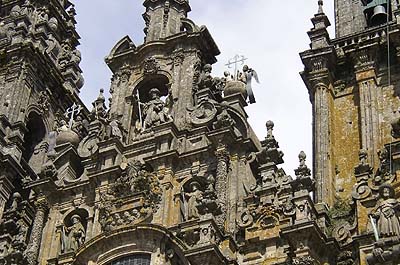
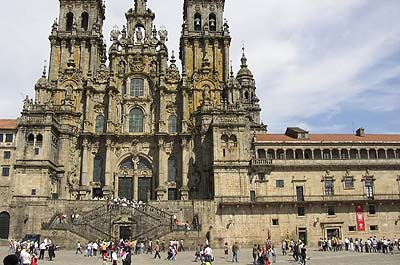
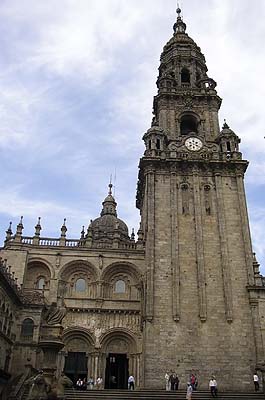
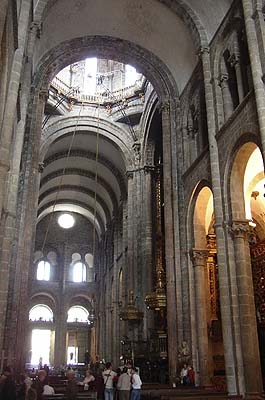
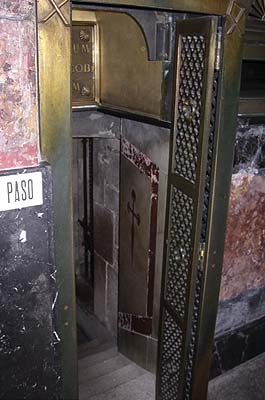
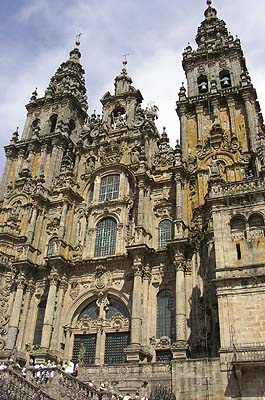
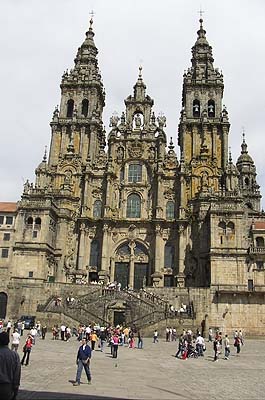
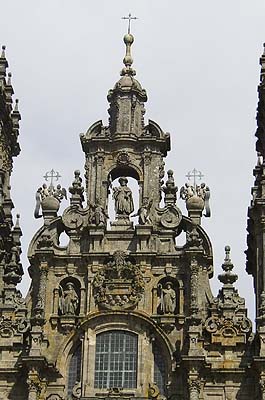
View the photographs"Santiago" ("Sant Iago") means "St. James", and the city is supposedly the final resting place of the Apostle Saint James the Great, the brother of John. His remains are said to be beneath the altar in the crypt of the cathedral. According to another theory the actual remains in the crypt belong to Priscillian, an ascetic from Ávila who was beheaded as a heretic at Treves, France, in 385 AD, but was venerated as a martyr in Galicia and other parts of northern Spain.
The legend that St James found his way to the Iberian peninsula, and had preached there is one of a number of early traditions concerning the missionary activities and final resting places of the apostles of Jesus. Although the 1884 Bull of Pope Leo XIII Omnipotens Deus accepted the authenticity of the relics at Compostela, Roman Catholic scholarship has been ambivalent about the question since the 19th century. Not least among the problems with the traditional account is that it includes the miraculous return of James's body to the Iberian peninsula after his biblically attested martyrdom in Jerusalem in about 44 AD (See Acts 12:1-2). The Cathedral authorities at Compostela remain uncommitted as to whether the relics are those of Saint James the Great, while continuing to promote the more general benefits of pilgrimage to the site.